

Finding Your Sense of Self
Together, we can explore questions like:
Who am I underneath the expectations I've carried?
What parts of myself feel authentic, and what parts have developed as ways of coping or staying safe?
What do I value now?
How have my relationships and experiences shaped the way I see myself?
How can I build a life that feels more like mine?
Relational safety comes first
Feeling safe enough to be yourself is an important part of doing meaningful psychological work.
We take a relational approach that values trust, respect, transparency and genuine collaboration. We work from an evidence-based perspective, while recognising that therapy isn't one-size-fits-all.
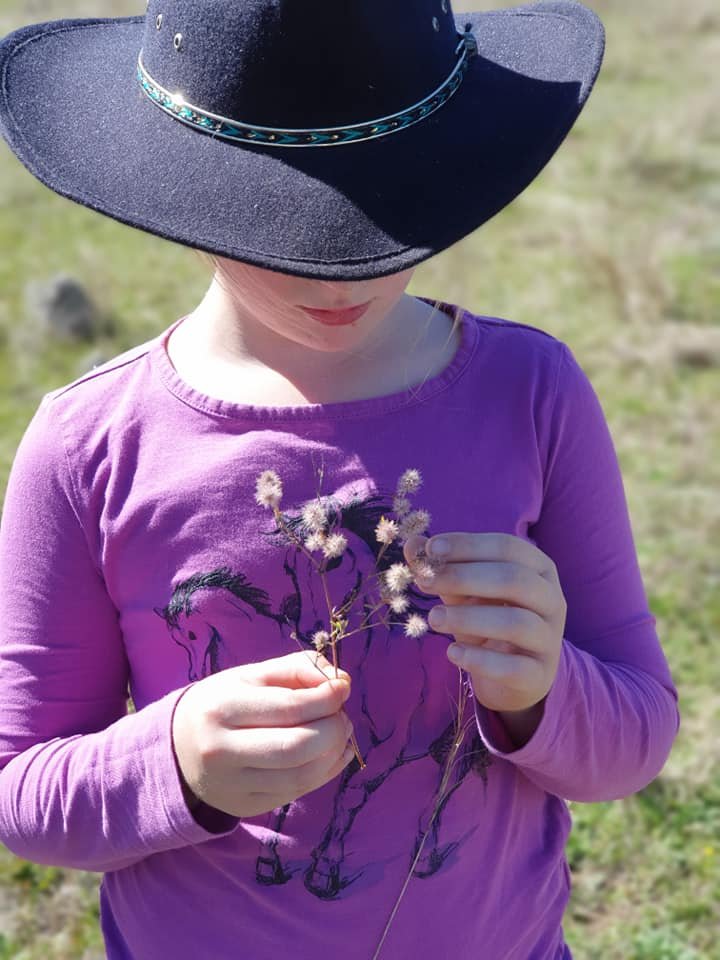
Psychology that makes space for the person behind the story.
Your sense of identity can be shaped by so many things: relationships, family, culture, faith, neurodivergence, trauma, expectations, and the experiences you've had along the way.
Sometimes, after years of adapting to what others need or expect from you, it can be difficult to know what you actually believe, feel, value, or want.
Our approach is about creating a safe, collaborative space where you can explore those questions — at a pace that feels right for you.
You don't have to have it all figured out.
We believe therapy works best when it feels like something we do alongside you, rather than something that is done to you.
That means we won't assume we're the expert on your life simply because we're the clinician in the room. You are the person who knows your history, your experiences, your relationships and your world.
Our role is to bring psychological knowledge, curiosity, evidence-based approaches and experience — while working with you to make sense of what matters to you.


Your pace matters.
There may be times when you want to explore something deeply, and other times when you need to slow down, pause, or focus on what is happening in the present. We can work with that.
Your lived experience matters
Professional training matters. Evidence matters. Clinical experience matters.
But so does lived experience.
Our clinicians bring more than qualifications to their work. We understand the importance of being seen as a whole person rather than reduced to a diagnosis, a history, or a set of symptoms.
Our practice is informed by lived experience of neurodivergence and trauma, alongside more than a decade of professional experience supporting people whose lives have been shaped by complex histories — and sometimes complex presents.
This doesn't mean assuming that your experience is the same as ours. It means approaching your story with humility, openness and a genuine understanding that there is more to you than what can be captured in a clinical formulation.
Space for the complexity of who you are
We work with people from a wide range of backgrounds, identities, relationships and belief systems.
This includes people who are:
Autistic, ADHD, or AuDHD
LGBTQIA+
Exploring, rebuilding or reclaiming their identity
Recovering from spiritual or religious abuse
Recovering from interpersonal trauma and abuse across the lifespan
Exploring their relationship with faith and spirituality
Part of diverse relationship or family structures
Living with the effects of trauma or complex life experiences
Trying to understand themselves after years of adapting to other people's expectations
You don't need to fit neatly into a category to belong here.

A different kind of therapeutic relationship
We don't see therapy as a place where you come to be told who you are or what you should do.
Instead, we want to create a space where you can become more curious about yourself — where your experiences can be understood in context, your strengths can be recognised, and your values can have a place in the conversation.
Sometimes building a stronger sense of identity isn't about discovering a completely new version of yourself.
Sometimes it's about reconnecting with the parts of yourself that were always there.
Let's work it out together
If you're looking for a psychologist who can meet you with warmth, curiosity, a healthy dose of humour, genuine connection, and respect for the complexity of your experience, we'd be glad to walk alongside you.
You don't have to arrive knowing exactly what you need.
We can start where you are, make sense of where you've been, and explore where you might want to go next.